
What’s Happening and How Homeowners Can Help
Across the Town of Cambridge, the tree canopy is becoming one of the most important topics in planning, landscaping, and community discussion.
From Floreat through to Wembley and City Beach, trees are not just part of the streetscape – they play a critical role in how our suburbs function, feel, and cope with changing conditions.
But like many areas across Perth, Cambridge is facing a steady decline in canopy cover. The response from council and the community is now shifting toward protection, expansion, and long-term planning.
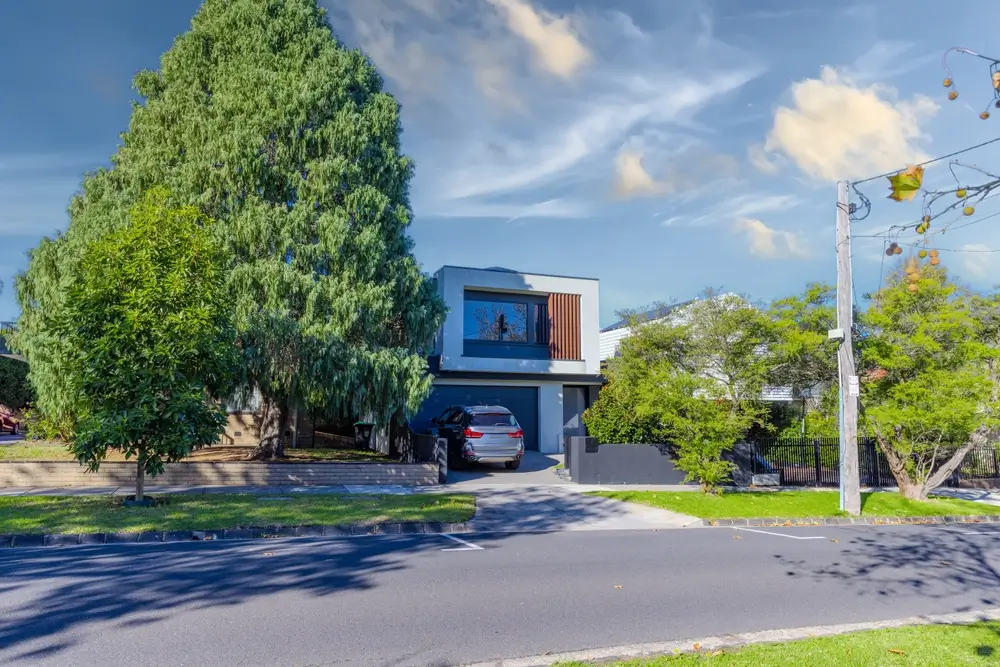
Why Tree Canopy Matters More Than Ever
Tree canopy refers to the layer of leaves, branches, and foliage that provides shade and coverage across an area.
In practical terms, more canopy means:
- Cooler streets and homes
- Reduced heat island effect
- Improved air quality
- Better stormwater management
- Increased property appeal
Large, established trees provide the greatest benefit, particularly in urban environments where hard surfaces dominate.
The Current State of Tree Canopy in Cambridge
As of 2024, the Town of Cambridge has a canopy cover of around 18.6%, with some increases in overall coverage but a noticeable loss of mature trees.
That loss is important.
Mature trees – particularly those in the 8 to 10 metre range and above – provide the majority of shade and environmental benefit. Losing them has a much larger impact than simply planting new ones.
The main pressures driving this decline include:
- Urban infill and redevelopment
- Tree removal on private land
- Climate stress
- Pests such as the polyphagous shot-hole borer
What the Town of Cambridge Is Doing
1. Urban Forest Strategy
The Town has developed an Urban Forest Strategy to guide how canopy is protected and expanded over time.
The next phase (2025–2034) is focused on:
- Increasing overall canopy cover
- Strengthening resilience against climate and pests
- Protecting trees on both public and private land
This strategy is the backbone of how decisions around trees, landscaping, and development are now being made.
2. Large-Scale Tree Planting
Council has committed to ongoing planting programs, including:
- 1,000+ trees planted annually
- 1,600 trees planned in a single winter planting season (Cambridge WA
These are primarily:
- Street trees
- Verge plantings
- Park and reserve enhancements
The goal is simple – maximise every available space for canopy.
3. Protecting Trees During Development
Development has been identified as one of the biggest risks to canopy loss.
To address this, the Town has introduced:
- Mandatory arborist reports for developments
- Tree protection zones during construction
- Tree protection bonds
- Ongoing compliance inspections
In short, existing trees are now being treated as assets that must be preserved wherever possible.
4. Tree Retention on Private Land
A major shift is happening around trees on private property.
Proposed and emerging policies aim to:
- Protect significant trees (typically over 8m tall)
- Require approval for removal or major pruning
- Encourage long-term retention of established canopy
This reflects a key reality: Most canopy loss in Perth occurs on private land.
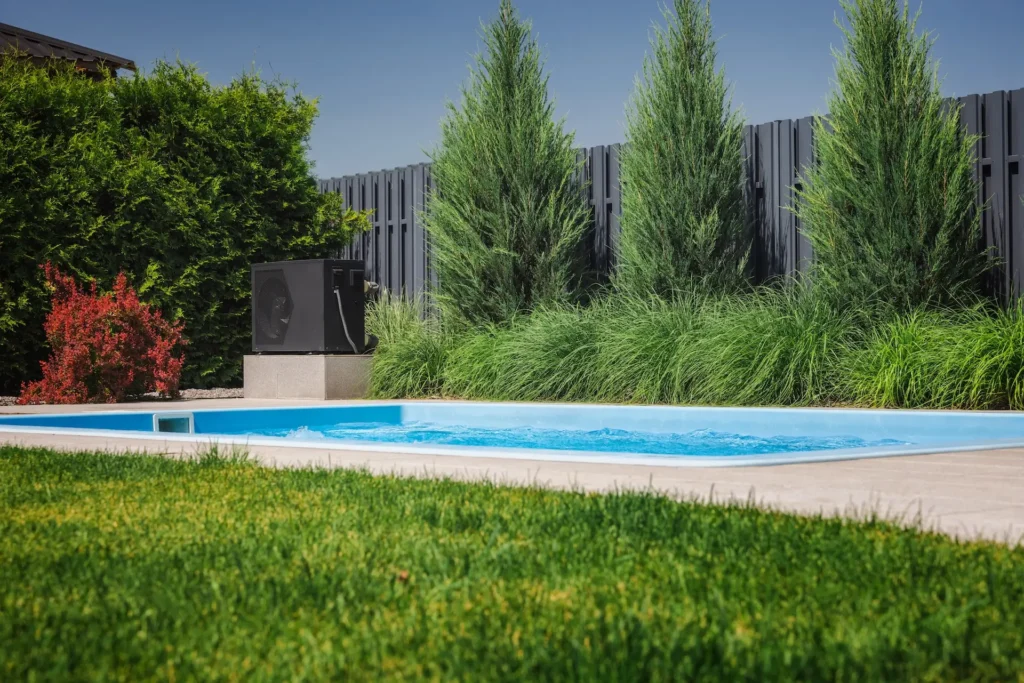
What This Means for Homeowners
If you own property in Cambridge, the way trees are managed is changing.
There is now:
- Greater scrutiny around tree removal
- More emphasis on retaining mature trees
- Increasing expectation to contribute to canopy coverage
This isn’t just regulation – it’s a broader shift in how outdoor spaces are designed.
What Homeowners Can Do
This is where the biggest opportunity sits.
1. Retain Mature Trees Where Possible
If there’s one takeaway, it’s this:
Keeping an existing tree is far more valuable than replacing it.
Before removing a tree, consider:
- Can it be pruned instead?
- Can the design work around it?
- Can it become a feature of the space?
2. Plant the Right Trees in the Right Places
Not all trees are equal.
Focus on:
- Species suited to Perth conditions
- Trees that provide meaningful canopy (not just height)
- Placement that allows full growth over time
Verge planting is a simple way to contribute, and in many cases, council will assist with species selection and installation.
3. Think Long-Term in Landscape Design
Good landscaping now needs to consider:
- Shade coverage in 5–10 years
- Water efficiency
- Root space and soil health
Tree placement should be planned early, not added as an afterthought.
4. Protect Trees During Renovations
If building or renovating:
- Identify trees early in the planning stage
- Allow space for root protection zones
- Avoid unnecessary damage during construction
This is now a key part of compliance – but it’s also critical for tree survival.
5. Improve Soil and Watering Conditions
Urban trees often struggle because of:
- Compacted soil
- Limited root space
- Inconsistent watering
Simple improvements can make a significant difference:
- Mulching
- Deep watering
- Avoiding hard surfaces near root zones
The Bigger Picture
Tree canopy is no longer just a “nice to have.”
It’s becoming a core part of:
- Urban planning
- Property value
- Liveability in Perth suburbs
The Town of Cambridge is clearly moving toward:
- More trees
- Stronger protections
- Greater community involvement
Final Thoughts
For homeowners, this shift presents a clear direction:
- Work with the landscape, not against it
- Retain what already exists
- Plan for shade, not just aesthetics
The best outdoor spaces in Cambridge over the next decade won’t just look good – they’ll be built around trees that actually last.
How we can Help
From targeted garden upgrades to complete outdoor transformations, Canopy Landscaping and Gardens delivers practical, well-executed project work across the Perth metropolitan area.