
A Practical Approach for Perth Conditions
With Perth’s long, dry summers and ongoing water restrictions, reducing water use in the garden isn’t optional anymore.
But cutting back too far – or doing it the wrong way – is where most gardens start to fail.
The goal isn’t to use no water.
It’s to use water properly, efficiently, and where it actually makes a difference.
Start With the Reality of Perth Conditions
Perth gardens face a few consistent challenges:
- Sandy soils that don’t hold moisture
- High summer temperatures
- Dry winds that increase evaporation
- Limited rainfall for most of the year
If water isn’t managed properly, it either:
- Drains straight through the soil
- Evaporates before it reaches the roots
That’s where most water is lost.
1. Fix the Soil First
If the soil can’t hold water, nothing else will work properly.
Most Perth gardens lack:
- Organic matter
- Structure
- Moisture retention
What to do:
- Add soil conditioners or compost
- Improve soil gradually over time
- Avoid relying on sand alone
Better soil means:
- Water stays where roots can use it
- Less frequent watering is needed
2. Use a Soil Wetting Agent
In sandy soils, water often:
- Runs straight past the roots
- Creates dry patches
A soil wetting agent helps water:
- Spread evenly
- Penetrate deeper
- Stay available longer
This is one of the simplest and most effective changes you can make in Perth.
Apply regularly during warmer months to maintain consistency.
3. Water Deeply, Not Frequently
Light, frequent watering creates shallow roots.
Shallow roots:
- Dry out quickly
- Require constant watering
- Struggle in heat
Instead:
- Water less often, but more deeply
- Encourage roots to grow down into the soil
This makes plants:
- More resilient
- Less dependent on daily watering
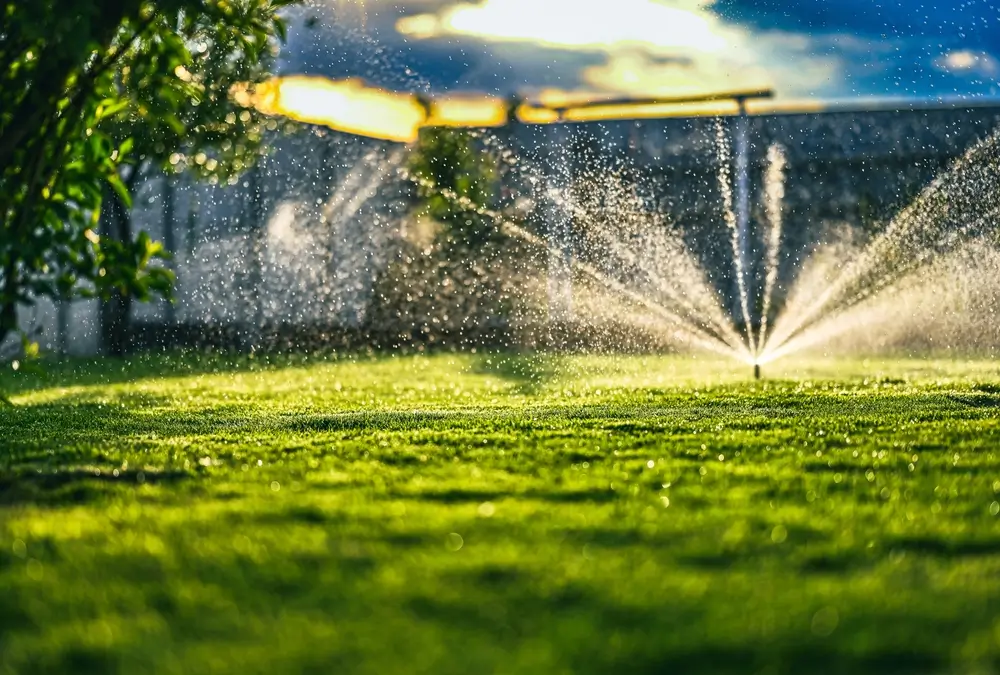
4. Improve Your Reticulation
A lot of water is wasted through poor irrigation setups.
Common issues:
- Sprinklers missing areas
- Overspray onto paths or driveways
- Uneven pressure
What to check:
- Coverage across the whole garden
- Correct sprinkler types for each area
- No water hitting hard surfaces
Even small adjustments can significantly reduce water use.
5. Mulch Everything
Mulch is one of the most effective ways to reduce water loss.
It helps:
- Retain moisture in the soil
- Reduce evaporation
- Keep roots cooler
Best practice:
- Apply a thick layer (around 50–75mm)
- Use quality organic mulch
- Keep it consistent across garden beds
Without mulch, water loss increases quickly, especially in summer.
6. Choose Plants That Suit Perth
Some plants simply require more water than Perth can realistically support.
High-water plants:
- Struggle in heat
- Need constant irrigation
- Increase long-term maintenance
Focus on:
- Drought-tolerant species
- Native or climate-suited plants
- Low-maintenance planting
These plants:
- Require less water
- Survive better long-term
- Still provide strong visual outcomes
7. Reduce Lawn Areas Where Possible
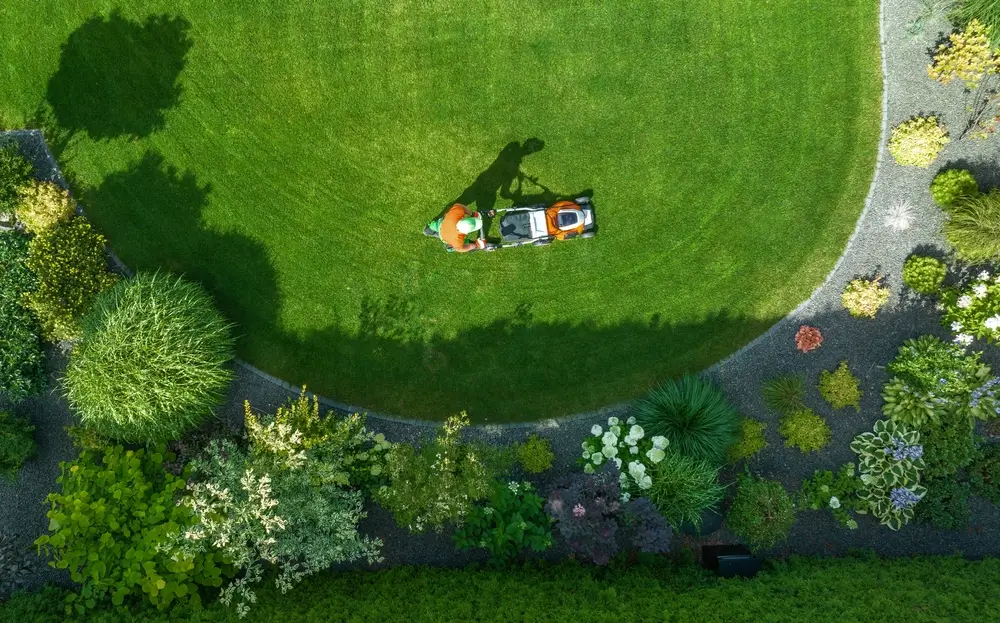
Lawns are one of the highest water users in most gardens.
If water use is a concern:
- Reduce lawn size
- Replace unused areas with planting or mulch
- Keep lawn only where it serves a purpose
This alone can significantly cut water demand.
8. Water at the Right Time
Timing has a direct impact on water efficiency.
Watering in the middle of the day leads to:
- High evaporation
- Less water reaching the roots
Best times:
- Early morning
- Evening (where permitted)
This ensures more water is absorbed into the soil.
9. Group Plants by Water Needs
Mixing high- and low-water plants in the same area leads to inefficiency.
Some plants get too much water, others not enough.
Better approach:
- Group plants with similar water requirements
- Adjust irrigation zones accordingly
This allows more targeted watering.

The Bigger Shift: Smarter, Not Less
Reducing water use doesn’t mean cutting everything back and hoping for the best.
It’s about:
- Improving how water moves through your garden
- Supporting the soil
- Choosing the right plants
- Using systems that actually work
When those elements are in place, you can often use less water while achieving better results.
Final Thoughts
In Perth, water efficiency comes down to a few key fundamentals:
- Improve the soil
- Use wetting agents
- Water deeply
- Fix irrigation
- Choose the right plants
Get those right, and your garden becomes:
- More resilient
- Easier to maintain
- Less reliant on constant watering
How we can Help
From targeted garden upgrades to complete outdoor transformations, Canopy Landscaping and Gardens delivers practical, well-executed project work across the Perth metropolitan area.